Is the Gaggia Classic Evo Pro Worth $500? An Honest Breakdown
The Gaggia Classic Pro (Evo Pro) costs more than entry machines but less than prosumer gear. Here's who should actually buy it.
The Gaggia Classic (sold as the Evo Pro in some listings) sits in an awkward spot: pricier than beginner machines, cheaper than true prosumer gear, and running on 20-year-old bones with a few modern tweaks. Whether that's a good deal depends entirely on what you're trying to do with it. Let's break down the actual trade-offs instead of just repeating the marketing copy.
What you're actually paying for
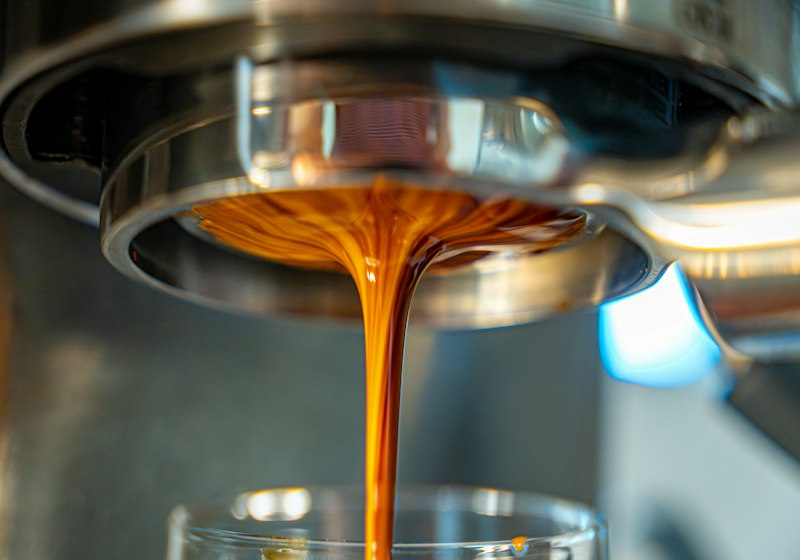
At around $450-500, the Gaggia Classic Pro gives you a 58mm commercial-size portafilter and a real 3-way solenoid valve - both things you normally don't see until you spend $800+. The 58mm basket means you can use commercial baskets, bottomless portafilters, and WDT tools without hunting for oddball accessories. The solenoid valve dumps pressure instantly after a shot, so pucks come out dry and don't drip on your counter. That's a genuine upgrade path for someone who wants to learn real espresso technique, not just push a button.
What you're *not* getting: a PID controller out of the box (temperature swings a few degrees between shots unless you add one yourself), no built-in grinder, and no automated milk steaming. This is a manual machine for people willing to dial in grind size, tamp pressure, and shot timing by hand. If that sounds like a chore instead of a hobby, it's the wrong machine.
Check price on Amazon →Our top picks
Gaggia Classic Pro
Entry prosumer espresso machine · 58mm commercial portafilter, 3-way solenoid, single boiler, 15-bar OPV · around $450
Pros
- Full 58mm commercial portafilter - the enthusiast standard
- Hugely moddable (PID and 9-bar OPV spring) and repairable for years
- 3-way solenoid dumps pressure for a dry, clean puck
Cons
- Steam wand and no-PID temperature take practice to master
- No grinder; the learning curve is steeper than a Breville
Price and availability last checked November 2026. We may earn a commission — it never changes our pick.
Breville Bambino Plus
Compact semi-automatic espresso machine · ThermoJet 3s heat-up, 54mm portafilter, 15-bar, auto milk texturing · around $500
Pros
- Heats up in about 3 seconds - fastest in its class
- Automatic milk texturing hits a set temp and froth level hands-free
- Tiny footprint; real 54mm portafilter and 9-bar extraction
Cons
- No built-in grinder - budget for a separate burr grinder
- Small 1.4L tank and drip tray fill up fast
Price and availability last checked November 2026. We may earn a commission — it never changes our pick.
Breville Barista Express
Semi-automatic with built-in grinder · Integrated conical burr grinder, 54mm, 15-bar, single-boiler ThermoCoil · around $700
Pros
- Grinder and machine in one box - grind straight into the portafilter
- Dose and grind dialing let you learn real espresso technique
- One appliance replaces a machine plus a grinder on your counter
Cons
- Single boiler means a short wait to switch from brew to steam
- Built-in grinder is good, not great - serious users upgrade later
Price and availability last checked November 2026. We may earn a commission — it never changes our pick.
How the Gaggia stacks up
| Model | Type | Key spec | Price | Rating | |
|---|---|---|---|---|---|
| De'Longhi Dedica Arte EC885 | Slim budget espresso machine | 15cm-wide thermoblock, 15-bar, manual steam wand, 51mm pressurized basket | ~$230 | 4.2 ★ | Price → |
| Gaggia Classic Pro | Entry prosumer espresso machine | 58mm commercial portafilter, 3-way solenoid, single boiler, 15-bar OPV | ~$450 | 4.5 ★ | Price → |
| Breville Bambino Plus | Compact semi-automatic espresso machine | ThermoJet 3s heat-up, 54mm portafilter, 15-bar, auto milk texturing | ~$500 | 4.6 ★ | Price → |
| Breville Barista Express | Semi-automatic with built-in grinder | Integrated conical burr grinder, 54mm, 15-bar, single-boiler ThermoCoil | ~$700 | 4.5 ★ | Price → |
How to choose
- Decide if you want to learn, or just want coffee. The Gaggia rewards practice - dialing in grind, timing shots, learning milk steaming by hand. If you want "insert pod-like simplicity," the Bambino Plus or a super-automatic will make you happier.
- Budget for a grinder separately. The Gaggia Classic Pro has no built-in grinder, and a blade grinder will ruin espresso shots no matter how good the machine is. Plan on an extra $150-350; our grinder buying guide explains why this matters more than the machine itself.
- Think about the 58mm ecosystem. Bottomless portafilters, precision baskets, and commercial tampers are all built around 58mm first. If you want to upgrade accessories later without buying adapters, that standard size pays off.
- Factor in the PID question. Stock temperature stability is decent but not rock-solid shot-to-shot. Many owners add an aftermarket PID kit (~$100) for consistency - budget for that if you're chasing cafe-level repeatability.
- Compare against beginner all-in-ones first. If you're brand new to espresso, read our best espresso machine for beginners guide before committing - the learning curve on a manual machine is real and worth being honest with yourself about.
FAQ
Is the Gaggia Classic Pro the same as the Evo Pro?
Do I need a separate grinder?
How does it compare to the Breville Barista Express?
Bottom line
The Gaggia Classic Pro earns its price if you want to actually learn espresso - the 58mm portafilter and solenoid valve are real, lasting upgrades over entry-level machines, and the platform has 20 years of parts and mods behind it. If you just want good coffee with minimal fuss, the <a class="btn" rel="sponsored nofollow noopener" target="_blank" href="https://www.amazon.com/s?k=Breville+Bambino+Plus&tag=coffeebrewg-20">Check price on Amazon →</a> will make you happier day to day. Buy the Gaggia because you want the process, not just the shot.