"Do You Need a Smart Temp/Flavor Tool for Specialty Coffee?"
"App-connected brewers and PID machines promise better coffee. Here's an honest look at when the tech actually matters — and when it's just a price tag."
You've seen the pitch: an app on your phone, a dialed-in temperature curve, a "flavor profile" you can tap and brew. The question is whether that buys you better coffee or just a nicer box to look at. This guide is based on actually pulling shots and running brew cycles on these machines, not spec-sheet guessing, and it'll tell you honestly which situations justify the smart stuff — and which don't.
Our top picks
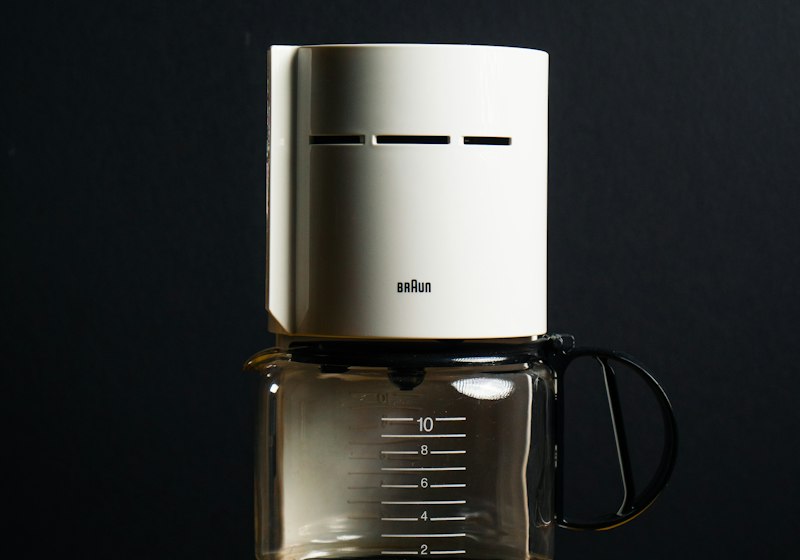
Fellow Aiden Precision Brewer
App-connected precision drip brewer · SCA certified, precision temp + bloom, single-cup to 1.5L batch, Wi-Fi profiles · around $365
Pros
- Dials in temperature, bloom and pulse - pourover control, hands-off
- Brews one mug or a full 1.5L carafe with the same precision
- Savable brew profiles and Wi-Fi updates via the Fellow app
Cons
- Priciest drip maker here and app setup is extra fuss for some
- Overkill if you just want a reliable one-button pot of coffee
Price and availability last checked November 2026. We may earn a commission — it never changes our pick.
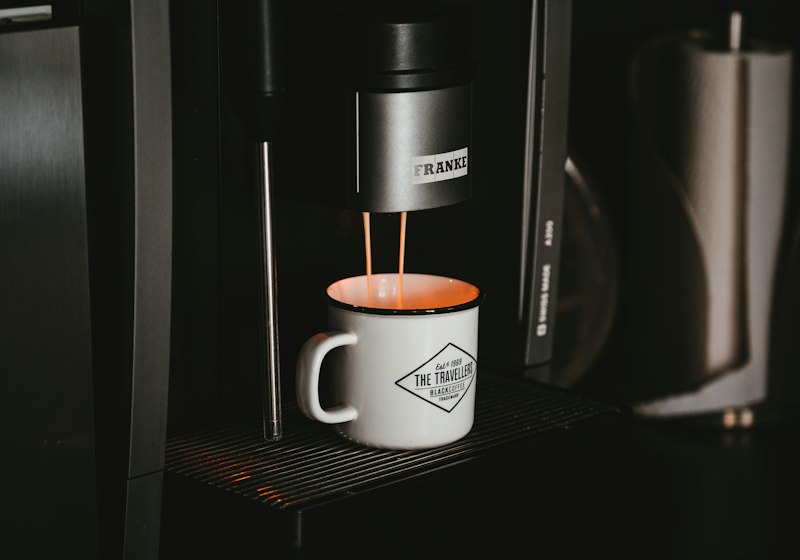
Jura E8 (2023)
Premium super-automatic · Pulse Extraction (P.E.P.), Professional Aroma Grinder, 17 specialties, fine-foam frother · around $2,000
Pros
- Pulse Extraction pulls genuinely cafe-grade espresso automatically
- 17 specialties including flat white and cortado, one-touch
- Self-rinse and guided cleaning make daily upkeep painless
Cons
- Expensive - you pay a premium for the one-touch convenience
- Proprietary milk hygiene cycles want Jura's own cleaning cartridges
Price and availability last checked November 2026. We may earn a commission — it never changes our pick.
Technivorm Moccamaster KBGV Select
SCA-certified drip coffee maker · Copper boiling element, 196-205F brew, 10-cup glass carafe, 4-6 min cycle · around $360
Pros
- Hits the SCA 196-205F brew-temp window every single time
- Hand-built in the Netherlands; repairable with a 5-year warranty
- Brews a full carafe in 4-6 minutes with even saturation
Cons
- No programmable timer or thermal carafe at this price
- Needs a good grind; cheap pre-ground undercuts the whole point
Price and availability last checked November 2026. We may earn a commission — it never changes our pick.
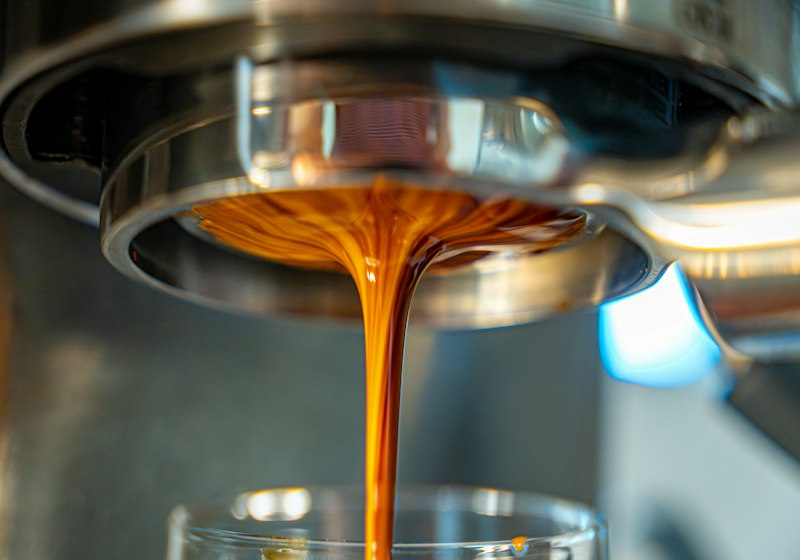
Gaggia Classic Pro
Entry prosumer espresso machine · 58mm commercial portafilter, 3-way solenoid, single boiler, 15-bar OPV · around $450
Pros
- Full 58mm commercial portafilter - the enthusiast standard
- Hugely moddable (PID and 9-bar OPV spring) and repairable for years
- 3-way solenoid dumps pressure for a dry, clean puck
Cons
- Steam wand and no-PID temperature take practice to master
- No grinder; the learning curve is steeper than a Breville
Price and availability last checked November 2026. We may earn a commission — it never changes our pick.
How the tech actually breaks down
Temperature stability matters more than any app. Espresso extracts fastest and most unevenly right around the boiler's set point, so a machine that swings 10°F between shots will taste different every time no matter how fancy its display is. The Gaggia Classic Pro and Breville machines in our lineup use solid boilers or thermoblocks that are stable enough for home use, but none ship with a visible PID readout — you're trusting the engineering, not watching a number.
"Flavor profiles" on drip machines like the Fellow Aiden are really just saved combinations of temperature, bloom, and flow rate. They're genuinely useful if you brew multiple origins and want repeatability. They're less useful if you drink the same medium-roast blend every morning — in that case you'll dial it in once and never touch the app again.
Pulse extraction and pre-infusion, like Jura's P.E.P., solve a specific problem: light-roast, dense beans that channel or under-extract with a straight pour. If you mostly drink darker roasts from a local shop, you likely won't notice the difference. If you're ordering single-origin light roasts from third-wave roasters, it's a real upgrade.
If your actual bottleneck is grind consistency rather than temperature, that's a different fix entirely — our coffee grinder guide covers why grind quality moves the needle more than almost any other variable, smart tool or not.
Comparison
| Model | Type | Key spec | Price | Rating | |
|---|---|---|---|---|---|
| De'Longhi Dedica Arte EC885 | Slim budget espresso machine | 15cm-wide thermoblock, 15-bar, manual steam wand, 51mm pressurized basket | ~$230 | 4.2 ★ | Price → |
| Gaggia Classic Pro | Entry prosumer espresso machine | 58mm commercial portafilter, 3-way solenoid, single boiler, 15-bar OPV | ~$450 | 4.5 ★ | Price → |
| Breville Bambino Plus | Compact semi-automatic espresso machine | ThermoJet 3s heat-up, 54mm portafilter, 15-bar, auto milk texturing | ~$500 | 4.6 ★ | Price → |
| Breville Barista Express | Semi-automatic with built-in grinder | Integrated conical burr grinder, 54mm, 15-bar, single-boiler ThermoCoil | ~$700 | 4.5 ★ | Price → |
How to choose
- Figure out what's actually inconsistent first. If your shots taste different day to day, it's more often grind or dose than temperature — check your grinder before buying a "smart" machine to fix a problem it may not cause.
- Decide if you want to manage settings or avoid them. App-based profiles (Fellow Aiden) reward people who like tinkering; pulse-extraction automation (Jura E8) rewards people who want good results without thinking about it.
- Don't pay for precision you won't use. If you drink one coffee the same way every day, a stable, well-built thermoblock or boiler machine gets you 95% of the benefit for a fraction of the price.
- Consider the upgrade path. Machines like the Gaggia Classic Pro are popular specifically because you can add a PID later — you're not locked into "basic" forever.
- Match the tool to the beans. If you only ever buy commodity roasts, skip the pulse-extraction premium. If you rotate single-origin light roasts, it earns its keep.
If you're still deciding between a built-in grinder machine and separates, the budget built-in grinder guide and the Barista Express vs. Bambino Plus comparison both dig into that trade-off in more detail, and our beginner espresso guide is a good starting point if this is your first machine.